
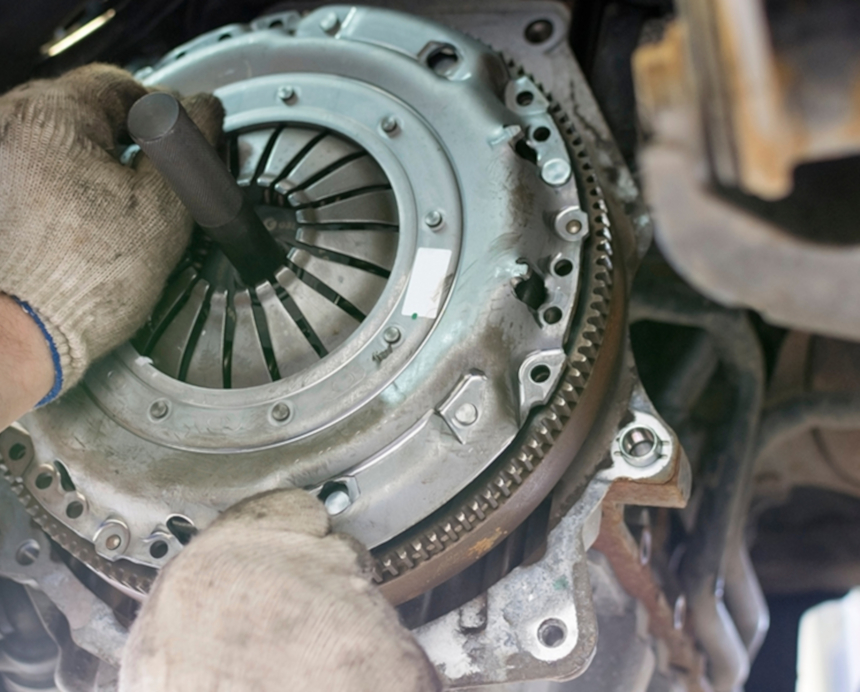
Clutch Cylinder Repair
Experience smooth driving with Grease Monkey® clutch cylinder repair services! Our experts ensure your clutch operates flawlessly
A vehicle’s clutch links the engine and transmission system. The clutch allows for smooth acceleration and deceleration by connecting and disconnecting the engine from the transmission and wheels without shutting off the engine. Since the engine runs continuously while the vehicle is in use, but the wheels do not, a functioning clutch is essential. Grease Monkey© provides professional clutch cylinder repair services at select locations.
What We Do
Grease Monkey technicians inspect, service, and repair clutch components, including clutch master and slave cylinder repairs . Select Grease Monkey Full Service centers are equipped to diagnose and repair issues with your clutch’s hydraulic system to restore proper performance.
How to Know When Your Clutch Cylinder Needs Repair
While most vehicle manufacturers don’t list a specific interval for clutch system repairs, issues with the clutch cylinders can occur earlier depending on driving habits and conditions. Hydraulic problems can interfere with gear shifting and pedal responsiveness.
Common signs of clutch cylinder issues include:
- Difficulty shifting gears
- Clutch pedal feels soft, spongy, or sinks to the floor
- Fluid leaks near the clutch pedal or under the vehicle
- Grinding noises during shifting
- Inconsistent clutch engagement
- Low or discolored clutch fluid
How Clutch Cylinder Repair Services Work
During a clutch cylinder repair service, Grease Monkey technicians:
- Inspect the master and slave cylinders for leaks, wear, and fluid quality
- Bleed the clutch hydraulic system to remove air or contaminants
- Repair or replace damaged seals or components as needed
- Refill and pressurize the hydraulic fluid
- Test the clutch system to ensure proper engagement and pedal response
How Long Does a Clutch Cylinder Repair Take?
Most clutch cylinder repairs can be completed within 1 to 3 hours, depending on your vehicle’s make and model and the extent of the issue.
Things to Consider About Clutch Cylinder Repairs
Driving habits, such as frequent stop-and-go traffic or “riding the clutch,” can accelerate wear on the clutch system, including the master and slave cylinders. Regular maintenance and early attention to symptoms can prevent more extensive transmission damage.
If you notice poor pedal pressure, shifting issues, or fluid leaks, it’s best to have your vehicle inspected promptly.
Clutch Cylinder Repair Services
What We Do
Grease Monkey Full Service centers offer clutch cylinder repair to ensure proper function of your clutch’s hydraulic system. The clutch master cylinder converts pressure from the pedal into hydraulic force that controls clutch engagement.
How to Know When Your Cylinder Needs Service
You may need a clutch cylinder repair if you notice:
- Low or leaking clutch fluid
- Soft or unresponsive clutch pedal
- Inconsistent shifting performance
- No clutch resistance when pressing the pedal
How Clutch Cylinder Repair Services Work
Grease Monkey technicians:
- Access the clutch hydraulic components
- Inspect for internal damage, worn seals, and leaks
- Provide a service estimate before beginning any repair
- Repair or replace faulty parts
- Bleed and test the system to restore function
Things to Consider About Clutch Cylinder Repairs
Not every Grease Monkey location offers this service. Use our Find a Location tool to see if clutch cylinder repair is available near you.
Available at Channing Way location ONLY.
Frequently Asked Questions
At Grease Monkey®, tire rotation is not automatically included with an oil change—but it’s a service we’re happy to perform during the same visit. Many customers choose to bundle their oil change and tire rotation to save time and keep their vehicle running smoothly. Just let us know when you arrive, and we’ll take care of both—quickly and professionally!
While some Grease Monkey® locations offer fuel and emission system services —like fuel injector cleaning, throttle body cleaning, and oxygen sensor inspections—we don’t perform official state emissions testing or provide emissions certificates . That’s typically handled by licensed inspection stations in your state. If your vehicle is due for an emissions test and you’re experiencing check-engine lights, poor fuel economy, or rough idling, stop by. We’ll take a look, clean and inspect the related systems, and get your car running cleaner and more efficiently—so you’re in great shape before heading to an official inspection center.
An oil change doesn’t automatically include an air filter replacement, but at Grease Monkey®, we always check your engine air filter during our 16-Point Oil Change. If it’s dirty or worn out, we’ll show you and let you know if it needs to be replaced. There’s no pressure —just helpful, honest advice so you can decide what’s best for your vehicle.
Yes, we do! At Grease Monkey®, we offer comprehensive brake services at participating locations. Whether you need a brake inspection, pad replacement, or fluid exchange, our trained technicians are here to help keep you safe on the road. If you hear squeaking, feel vibrations, or just think it’s time for a check-up, swing by—we’ll take a look and give you honest recommendations.
If your A/C airflow is weak, you notice musty smells, or it’s been over a year since your last replacement, it’s probably time. A clean cabin air filter keeps the air inside your car fresh and free of dust, pollen, and other particles.
Your fuel filter keeps dirt and debris out of your fuel system, protecting your injectors and engine. Over time, it can clog and cause poor performance, hard starts, or stalling. Replacing it regularly helps maintain fuel flow and engine efficiency.
Brake fluid should typically be replaced every 2 years or 20,000 to 45,000 miles , depending on your vehicle and driving habits. If it’s dark or contaminated, it can reduce braking performance and should be changed sooner.
A coolant top-off just adds fluid to bring your level back up, while a coolant flush removes old, dirty fluid and replaces it with fresh coolant. Flushing also clears out rust, scale, and debris that can damage your cooling system.
Most vehicles need a new engine air filter every 15,000 to 30,000 miles , but it depends on your driving conditions. If you drive in dusty or high-traffic areas, you may need to replace it more often. A clean filter helps your engine breathe better and perform more efficiently.
If your car pulls to one side, your steering wheel feels off-center, or your tires are wearing unevenly, it might be time for an alignment. Even hitting a pothole or curb can throw things off. A quick alignment check at Grease Monkey can get you straightened out in no time.
Skipping oil changes can cause your oil to break down and become dirty, leading to increased engine wear, overheating, and eventually serious damage . Regular oil changes are one of the easiest and most affordable ways to protect your engine long-term.
Yes, you can! In fact, many drivers upgrade to full synthetic for longer-lasting engine protection and fewer oil changes. There’s no harm in switching, and we’ll make sure the oil and filter meet your engine’s needs.
It depends on your vehicle and driving style. Synthetic blend works well for standard engines and everyday driving. Full synthetic offers better protection, especially for high-mileage, turbocharged, or newer vehicles. We’ll help you choose the best option for your ride.
In addition to fresh oil and a new filter, we check and top off fluids, inspect belts, tires, lights, wipers, and more. It’s a full check-up for your car in one quick visit—so you leave with peace of mind, not just clean oil.
Most vehicles need an oil change every 3,000 to 5,000 miles with conventional or synthetic blend oil, and up to 7,500–10,000 miles with full synthetic. Driving habits, climate, and vehicle age can affect this, so we’re happy to check your manufacturer’s recommendation when you stop by.
Alignment adjusts the angles of your wheels to make sure they’re pointing in the right direction. Balancing ensures each wheel and tire spins evenly without vibration. Both help your vehicle drive smoother and your tires last longer.
Absolutely! We’re all about convenience. If your bike needs an oil change, a quick inspection, and maybe a minor fix (like a chain adjustment or bulb replacement), we’ll take care of it all while you wait. Just let us know what you’ve got going on when you roll in.
We sure do! Whether you ride a cruiser, sport bike, touring bike, or something in between , our technicians are trained to work on a wide variety of makes and models. If you’re unsure, just give us a call or stop by and we’ll be happy to check your specific bike.
If something feels “off” while you’re riding—like weird noises, vibrations, hard starts, or poor acceleration —that’s a sign your bike might need a little more than a tune-up. At Grease Monkey®, we’ll take a look, run diagnostics if needed, and let you know exactly what’s going on—no guesswork, no pressure.
We handle everything from oil changes and brake checks to battery testing, tire pressure, chain inspection, and fluid top-offs . Think of us as your go-to for all the basics that keep your bike road-ready. If it keeps your ride smooth and safe, we’re on it.
Most motorcycles need an oil change every 3,000 to 5,000 miles , but that can vary depending on your bike, the type of oil you use, and how often (and how hard) you ride. Not sure where you stand? Swing by your local Grease Monkey® and we’ll check it for you—quick and easy.
When you stop by for a brake check, our techs will inspect your brake pads, rotors, calipers, and brake fluid . We’ll measure your pad thickness, check for wear or damage, and give you an honest assessment. If everything looks good—great! If something needs attention, we’ll walk you through your options.
Brake fluid that’s old or contaminated can cause your pedal to feel spongy, reduce braking power, and even lead to corrosion in the brake lines. It’s one of those services that’s easy to overlook—but super important for safety. A quick visit can save you from major repairs later.
Most vehicles need a brake fluid exchange every 2 years or around 30,000 miles , but this can vary. Brake fluid naturally absorbs moisture over time, which can affect braking performance. We’re happy to check your fluid levels and let you know if it’s time.
If you’re hearing squeaking, grinding, or your brake pedal feels soft—or your car takes longer to stop than it used to—those are red flags. Your vehicle’s brake warning light coming on is another big one. When in doubt, stop by your local Grease Monkey and we’ll check things out for you!
Most alignments are completed in under 30 minutes.
Waiting often leads to faster tire wear and higher repair costs.
Every 6,000 miles or after hitting a major pothole or curb.
If your tires have worn tread, sidewall damage, or are more than six years old, it might be time for a replacement. Common signs include poor traction, longer stopping distances, or vibration while driving. Stop by Grease Monkey® and we’ll give your tires a quick, honest check.
At participating locations, Grease Monkey® can inspect and patch small punctures in tires if they’re repairable. If your tire isn’t safe to repair, we’ll let you know your best options so you can get back on the road safely.
Yes! We check and adjust tire pressure for free with many of our services, including oil changes. Proper tire pressure helps improve fuel efficiency, tire wear, and overall handling. If your tire light is on or your tires look low, come in anytime—we’ve got you covered.
Most manufacturers recommend rotating your tires every 5,000 to 7,500 miles , but it can vary based on your vehicle and driving habits. If you’re not sure, just stop by Grease Monkey® and we’ll take a look—we’re happy to help keep your tires in top shape.
Yes, Grease Monkey® offers tire rotation services at participating locations. Regular tire rotation helps your tires wear evenly, improves handling, and can extend the life of your tires. It’s a smart part of routine vehicle maintenance. If you’re not sure when your last rotation was, stop by and we’ll check things out—no appointment needed. We’ll help keep your ride smooth and your tires lasting longer.
Yes! At participating Grease Monkey® locations, our technicians can perform basic engine diagnostics and help interpret check engine light codes. If more in-depth work is needed, we’ll walk you through the next steps clearly and honestly.
Common signs your engine needs attention include rough idling, decreased fuel efficiency, stalling, or strange noises. If your check engine light is on or your car just isn’t running like it used to, swing by your local Grease Monkey® for a quick inspection.
A flashing check engine light usually signals a more serious issue, like a misfire, that could damage your engine if ignored. It’s best to pull over safely and have your vehicle inspected as soon as possible. Stop by Grease Monkey®—we’ll help you figure out what’s going on.
At Grease Monkey®, we offer free check engine light code scans at participating locations. If your check engine light is on, just stop by—we’ll quickly scan your vehicle’s onboard diagnostics system (OBD-II) and help identify the issue. While the scan won’t provide a full diagnostic, it gives you a clear starting point and helps determine your next steps.
Locally Owned & Trusted
Visit us today and experience the difference.

- Certified experts for precision in every service
- From oil changes to complex repairs, all your needs are covered
- Quick, reliable services with minimized waiting times
- Enjoy savings with our regular offers tailored for value
- Convenient locations and access for all customers